

LLM Meets Engineering
We’re not chasing AI hype. We combine language models with disciplined software engineering so results are predictable, testable, and useful.
Models handle messy text; code handles rules and math. Outputs are traceable and easy to review.
When confidence dips, humans step in. The goal isn’t “wow”—it’s repeatable accuracy that saves hours and prevents disputes.
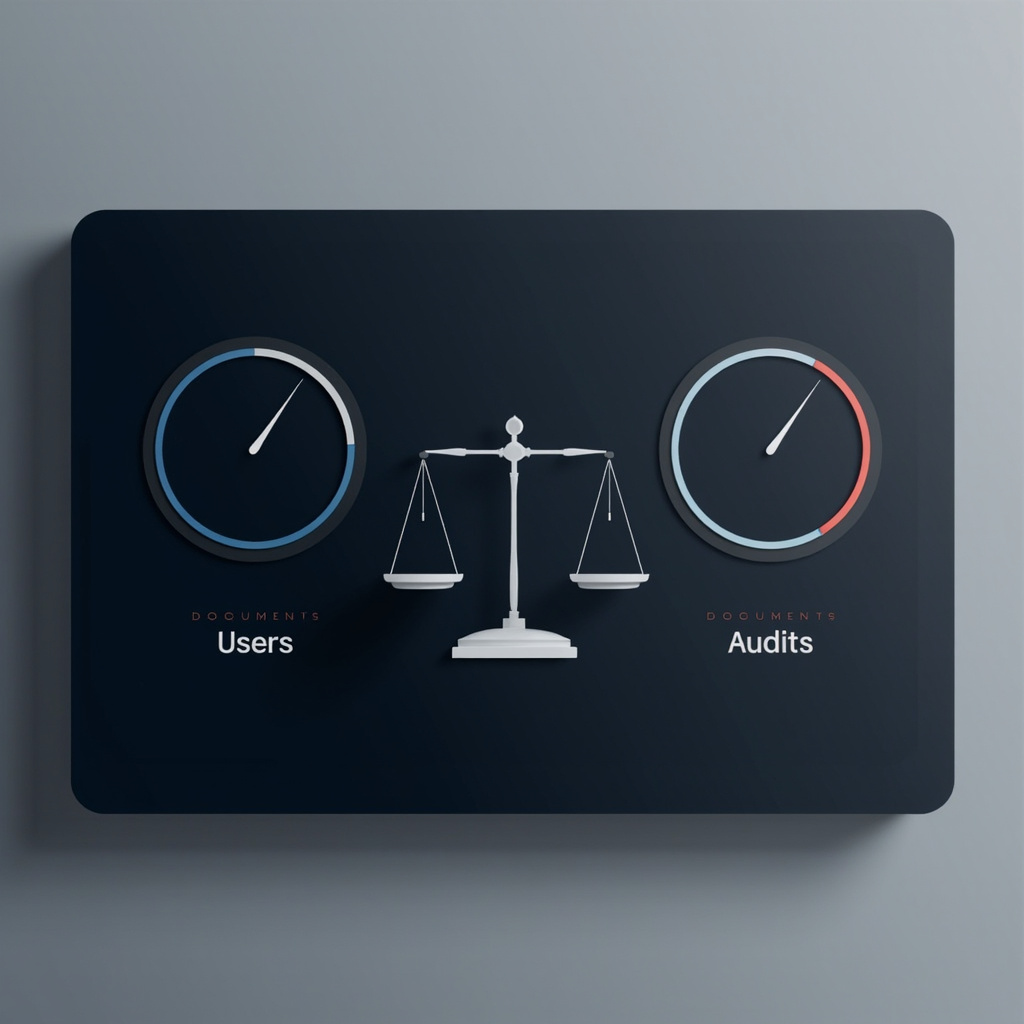
Pay What Fits
Pricing flexes with reality. A small seat fee covers users, usage meters cover documents processed, audits run.Scale up or down without drama. Transparent totals, alerts before thresholds, and no long lock-ins. You pay for value nothing else.

Modern Secure Architecture
Built by engineers with years in production systems. The focus is simple: compliance, security, availability.
Design priorities include clear data boundaries, encryption in transit/at rest, least-privilege access, change control, continuous monitoring, privacy-by-design defaults, documented data handling and retention, and straightforward, auditable workflows. Practices evolve with current standards and are reviewed regularly to stay aligned with regulatory expectations.